By Emily Hamel
As Valentine’s Day approaches, it’s a natural moment to consider the partnerships that shape our lives. No matter your relationship status outside the barn, the bond you build with your horse is one you actively create—rooted in trust, consistency and shared understanding.
In eventing, trust isn’t given; it’s built. It comes from clarity and a rider’s willingness to take responsibility for preparing their horse for whatever lies ahead. Across all three phases, partnership shows up as confidence, bravery and adjustability. And it isn’t created on competition day—it’s earned quietly, through the daily work that happens long before you ever leave the start box or ride down centerline.
Partnership begins long before a rider ever picks up the reins. Time spent grooming and handling a horse without an agenda allows a rider to learn how that horse thinks and feels, while the horse learns to see the rider as more than just someone who climbs on and asks questions. Grooming becomes a quiet form of communication—an early step in building understanding and trust that carries directly into the work under saddle.
As a professional, I’m fortunate to have a groom and working students who help get my horses ready each day. Still, I make it a point to groom and tack up my personal horses whenever my schedule allows. Those moments offer a chance to slow down, connect and notice small details—like where a horse enjoys being curried or what helps them relax. Barry, for example, prefers his right shoulder and the top of his neck. These simple interactions reinforce familiarity and comfort, strengthening the foundation of partnership.
That same mindset should carry into training. Partnership doesn’t thrive when every ride feels like a test. Fun rides—whether hacking out, galloping in a field or popping over uncomplicated fences—give horses a chance to relax and show what they genuinely enjoy. Paying attention to those preferences and weaving them into a weekly routine keeps horses mentally fresh, reinforcing willingness rather than dulling enthusiasm through constant drilling.
It can be tempting to practice the most challenging element repeatedly until it’s perfect, but sometimes taking pressure off is the more productive choice. Barry and I have always found dressage to be our most challenging phase. As ironic as it sounds, galloping around a five-star cross-country track has often felt less stressful than trotting down centerline.

When we competed at Pau in 2025, I made a conscious decision to change my approach. Knowing it might be our last five-star together, I wanted the experience to be enjoyable. Instead of drilling dressage right up until test day, I spent more time hacking around the venue and even let Barry have a jump school—something I know he truly loves. When dressage day arrived, I felt noticeably calmer, and we delivered our personal best five-star test. Sometimes confidence grows not from more pressure, but from allowing space for enjoyment.
That sense of ease only holds when the rider brings the same consistency to themselves as they expect from their horse. Trust is also shaped by a rider’s confidence in themselves. Horses are acutely aware of uncertainty, and a rider who is mentally and physically prepared offers clarity that the horse can rely on.
Developing that confidence requires intention. Training the body to be balanced and effective allows for quieter aids and clearer communication, while training the mind to stay present and decisive helps a rider respond calmly under pressure. When riders commit to becoming the best version of themselves for their horse, they create reliability the horse can believe in—strengthening partnership across every phase.
For me, that preparation starts with small, consistent habits. Even on busy mornings, if I only have five minutes, I make time to stretch and center myself before the day begins. It isn’t about the length of the session, but the consistency of showing up—physically and mentally—day after day. Those few intentional moments help me feel more balanced, focused and present, and that carries directly into how I ride and communicate with my horse.
Investing in yourself doesn’t require hours in the gym or elaborate routines. A few focused sessions each week, building core strength, balance and mobility, can make a meaningful difference in the saddle. Equally important are moments of stillness away from the barn. Taking time for quiet reflection—through breathing exercises, visualization or simply sitting without distraction—sharpens focus and emotional control.
In the end, partnership with an event horse isn’t built through grand gestures or perfect performances. It’s shaped in the quiet moments—time spent in the barn, thoughtful choices in training and the effort a rider makes to show up prepared and present. When we take responsibility for every question we ask and prioritize trust over pressure, we create partnerships that carry us confidently across all three phases—and well beyond the finish flags.
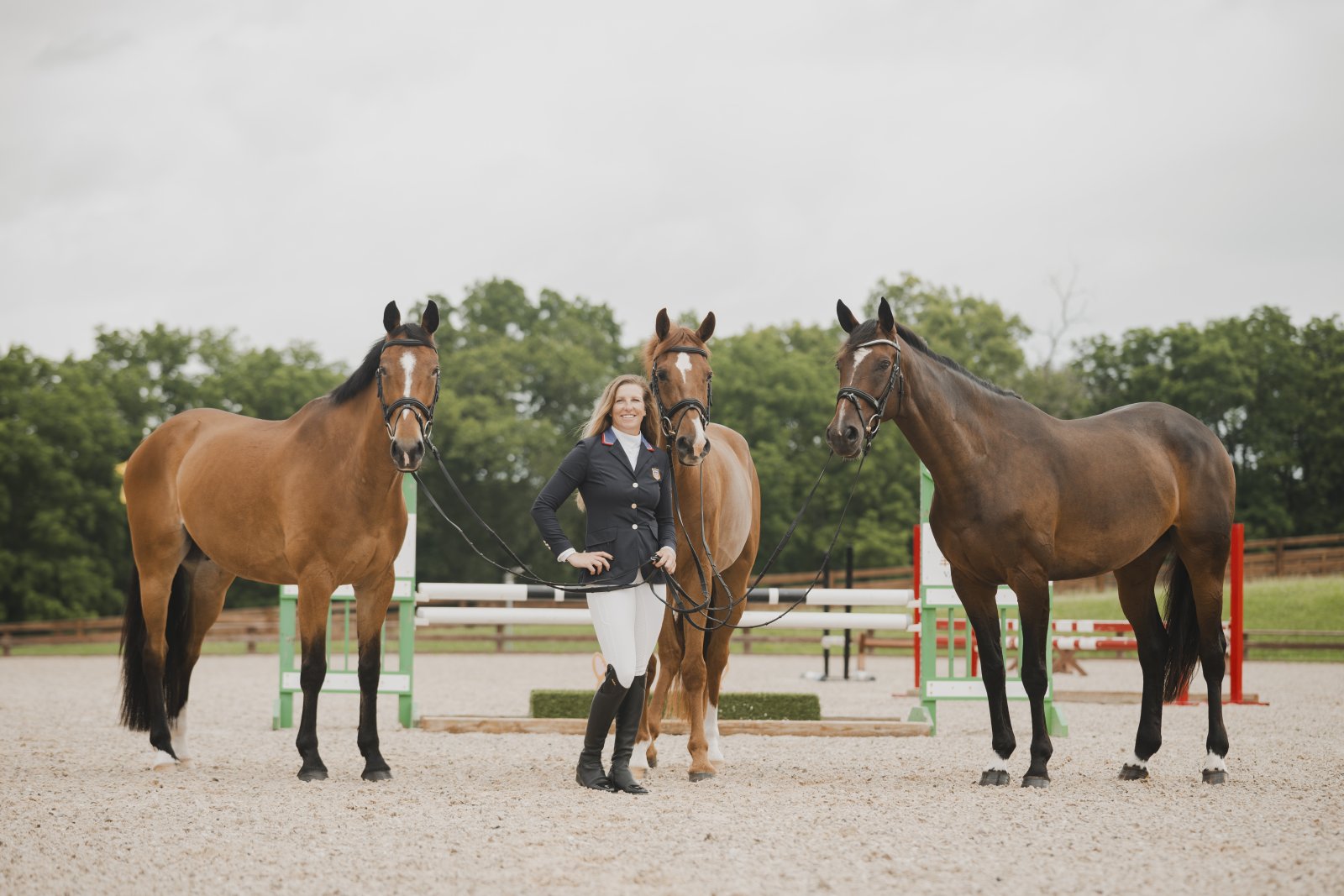
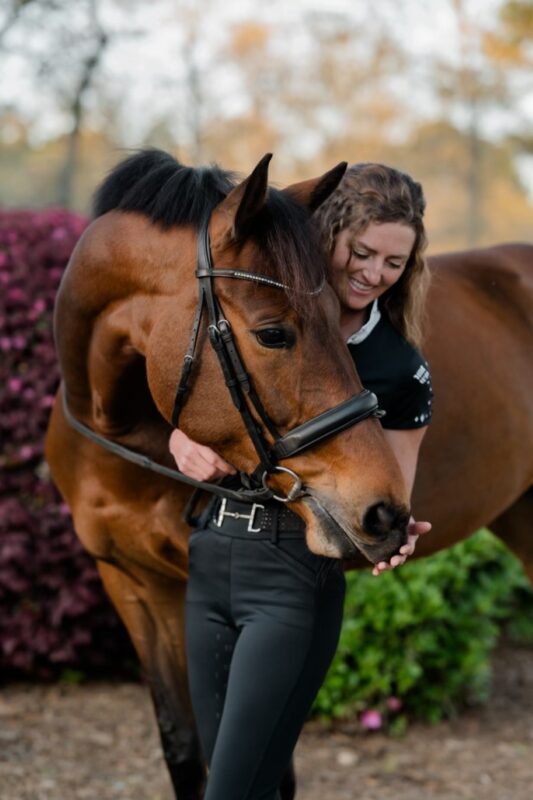
Photo: Emily and her horse N’ Angel of Poppes 24, aka Lady.
Photo by 70 Degrees
Sign up for our mailing list to stay up to date with all things Sidelines!