

By Sarah Welk Baynum
Portraits by Victoria DeMore
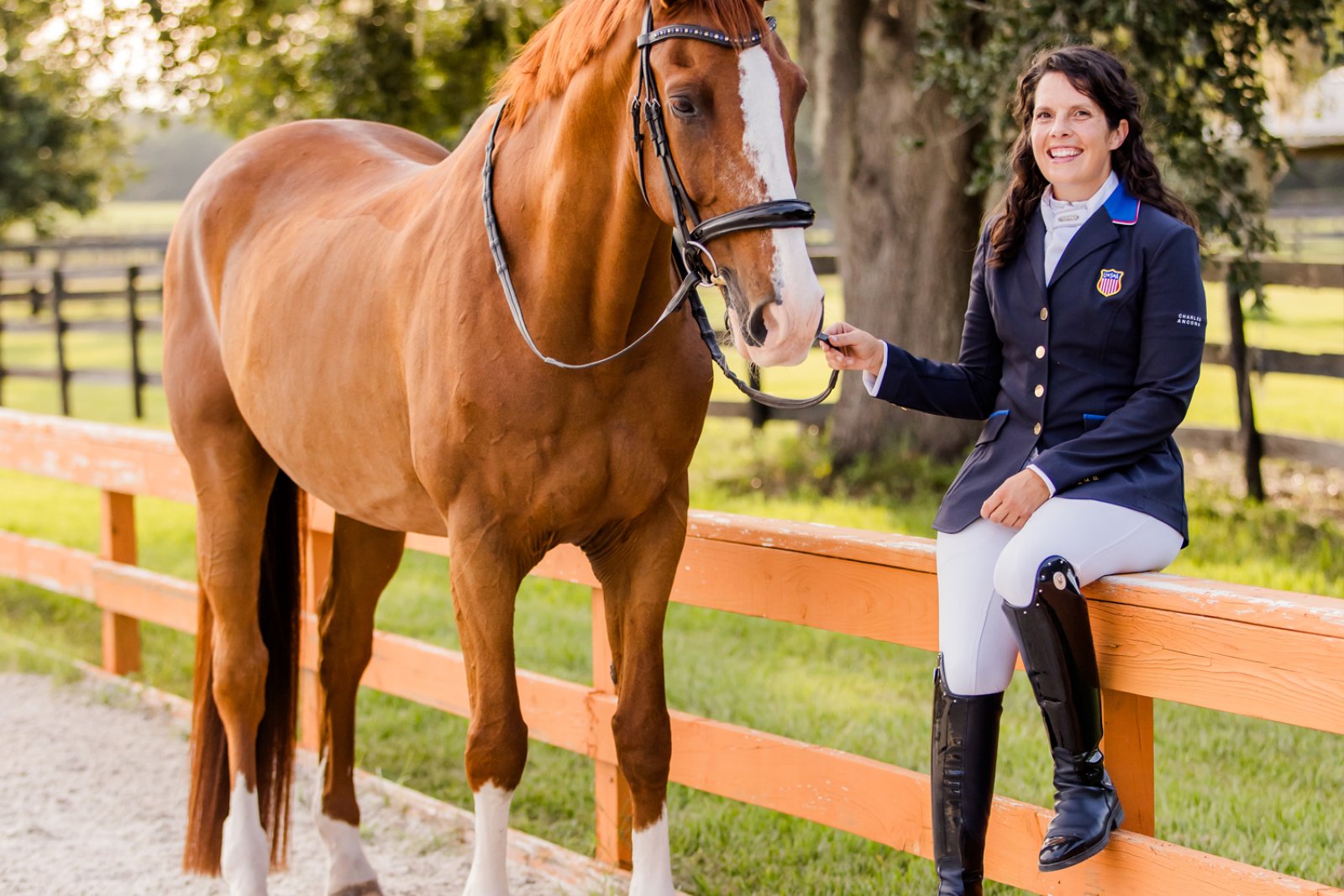
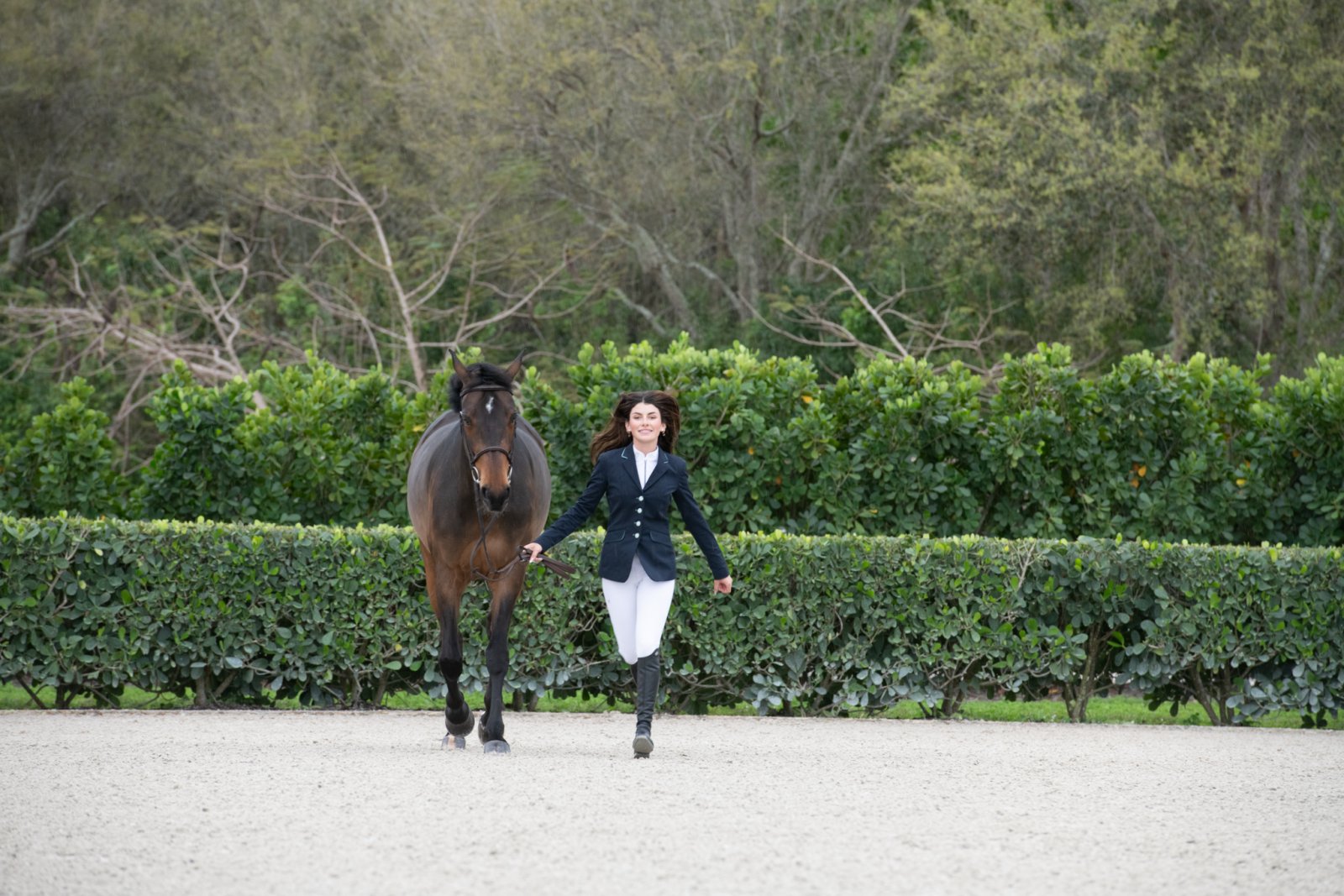
Jennie Jarnstrom-Dennis has devoted her life to the sport of eventing, competing six times at the Kentucky Three-Day Event and serving as an alternate for Team Sweden at both the 1996 Atlanta Olympics and the 2000 Sydney Games. But despite her past and present success as an upper-level competitor, she still approaches the sport with deep gratitude—and a desire to give back to the community that shaped her life.
While equestrian professionals often tend to focus on just breeding, coaching or competing in the upper levels, Jennie is unique in that she does all three—and does them impressively well. Her influence now reaches across generations in the eventing world, both equine and human.
Her early roots on her parents’ farm in Sweden shaped everything that would follow in her life and career with horses. “I got lucky—my parents put me on a horse when I was only a couple of months old,” Jennie said. “Then, I got my first pony, a little Shetland named Indian, when I was 4.”
From an early age, Jennie came to understand that riding required more than passion—it required hard work and resourcefulness. “I was very fortunate to have the opportunity to ride at a young age, but we worked hard for everything,” Jennie said. “When I was little, we would clean stalls all day on Sunday to afford to ride. At the riding school where we kept our horse, you also had to complete 10 beginner leadline lessons to earn one free lesson for yourself. I would walk the kids, then go into the barn office to count how many lessons I had left before I could ride again.”
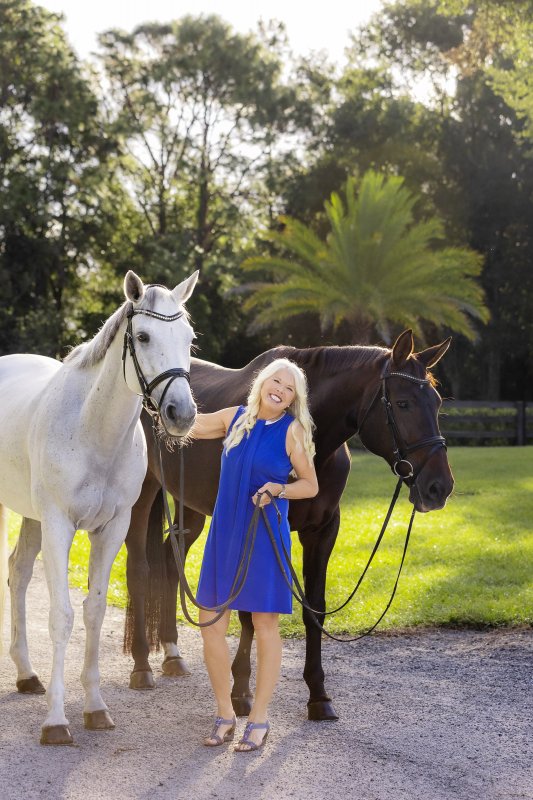
At just 15 years old, Jennie moved far from everything she knew to further her riding career. She first moved to the UK and later relocated to the United States in the 1990s.
Jennie spent years working out of other people’s farms—riding, managing horses and caring for the properties in exchange for keeping her own horse there. As she moved up the levels with multiple horses, she began to picture what it might be like to create a place of her own. “I competed a lot during that time—I think I had four Advanced horses going at the same time,” Jennie said. “And then one day I thought, I’m about to turn 30—you’re supposed to be a grown-up, right? I really wanted to buy my own place and build it up.”
That decision set everything in motion and became the foundation for what she has today. “I sold a couple of my nice horses so I could open things up financially,” Jennie said. “I looked everywhere for something affordable—listed properties, unlisted ones, anything I could make work. Then this property came up that was going to be auctioned off. You had to have 10% down that day, then get a loan for the rest. I had a certain amount set aside from selling horses, so I knew I couldn’t go over that down payment amount. Fortunately, I ended up being the highest bidder at the auction and established Class Act Farm in Apopka, Florida.”
One of Jennie’s favorite aspects of her work is breeding and developing young horses—a passion that began early in her life. “The first homebred Warmblood of my mom’s I worked with was when I was 8,” Jennie said. “I didn’t have a second saddle, so my mom had the saddle on the mare, and I broke the young horse bareback. I’ve been breeding and working with young horses ever since.”
The homebreds her mother produced later shaped Jennie’s career in meaningful ways. “My mom bred several horses after that, and she even bred a stallion that got approved,” Jennie said. “One of my four-star horses came from that stallion, and I bred her here in the U.S. She’s about to do her first FEI with an adult amateur soon.”
But for Jennie, breeding her horses goes far beyond simply producing foals. “Investing in the next generation of eventing horses is a commitment to the future of the sport,” she said. “It’s about thoughtful breeding and careful development of horses that can then compete at the highest levels while still keeping the heart, athleticism, and partnership—that’s what makes eventing what it is.”
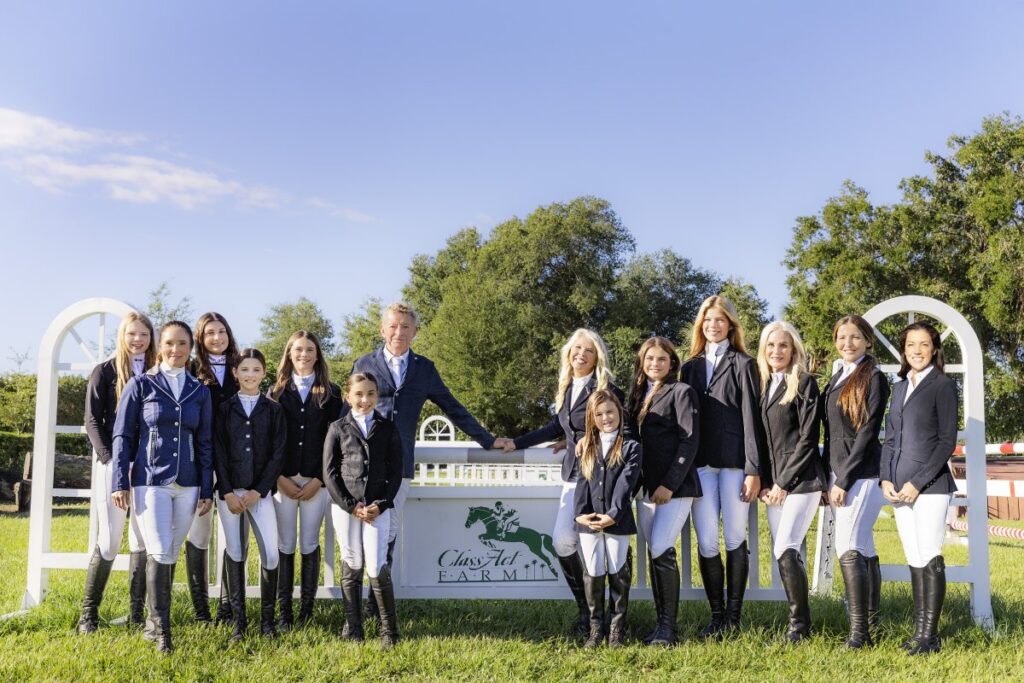
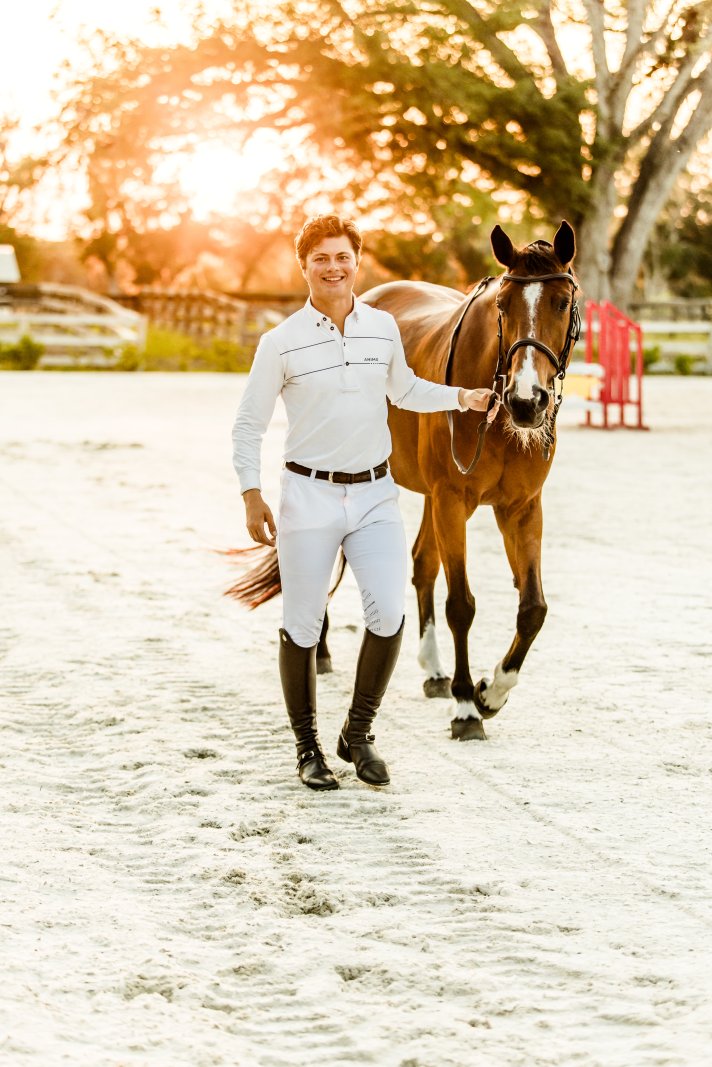
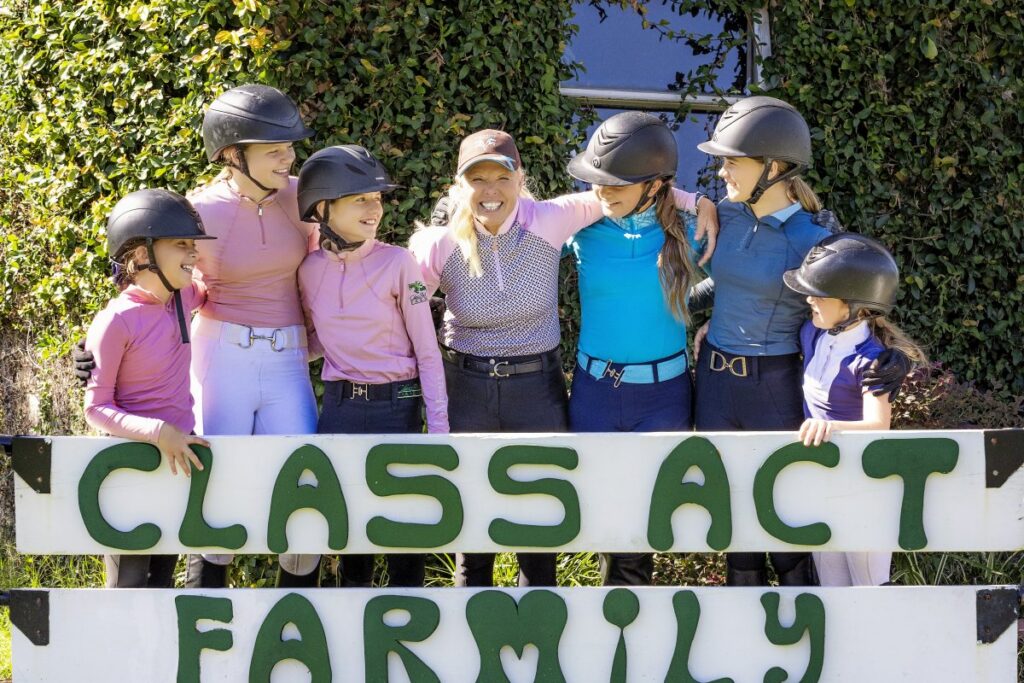
From ages 6 to 60 and beyond, Jennie mentors a remarkably diverse group of riders, proving that passion for eventing has no age limit. Her youngest student recently began competing in USEA Starter divisions, while several clients in their 60s continue to ride and compete. For Jennie, investing in others isn’t just a choice—it’s a responsibility.
“I owe so much of my life to this sport,” Jennie said. “Helping others find their confidence, achieve their goals and experience the joy of eventing is my way of giving back to a community that has given me everything.”

Jennie began teaching almost immediately after arriving in the United States. “I started teaching right away when I came here in 1990,” she said. “One of my first students is Heidi, and I just celebrated Heidi’s 40th birthday—she was 8 when she started lessons with me.”
Her background in working with children in Sweden also shaped her approach to teaching riding students. “I went to school in Sweden and got the beginning of a nursing degree—there are different levels—and I specialized in working with handicapped children,” Jennie said. “That’s what I did before I came here, and it has definitely influenced how I teach.”
Jennie approaches each rider as an individual, knowing that progress looks different for everyone. “You have to keep an open mind,” she said. “Some students seem timid at first, but maybe they just haven’t had certain experiences yet. And some of the ones I didn’t expect to stick with it are the ones who become diehard riders 10 years later. But seeing people grow—that’s what matters.”
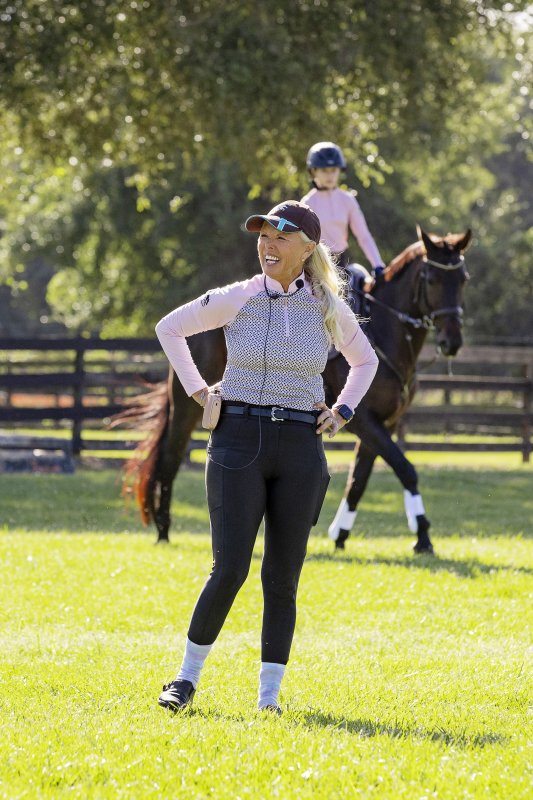
Today, Jennie still runs a breeding program, coaches students and rides at the Advanced level in eventing—all simultaneously. Jennie hopes to inspire other equestrian professionals who may feel they can’t do it all and show them that it is achievable. One of her favorite sayings has carried her through every chapter of her career: Where there’s a will, there’s a way.
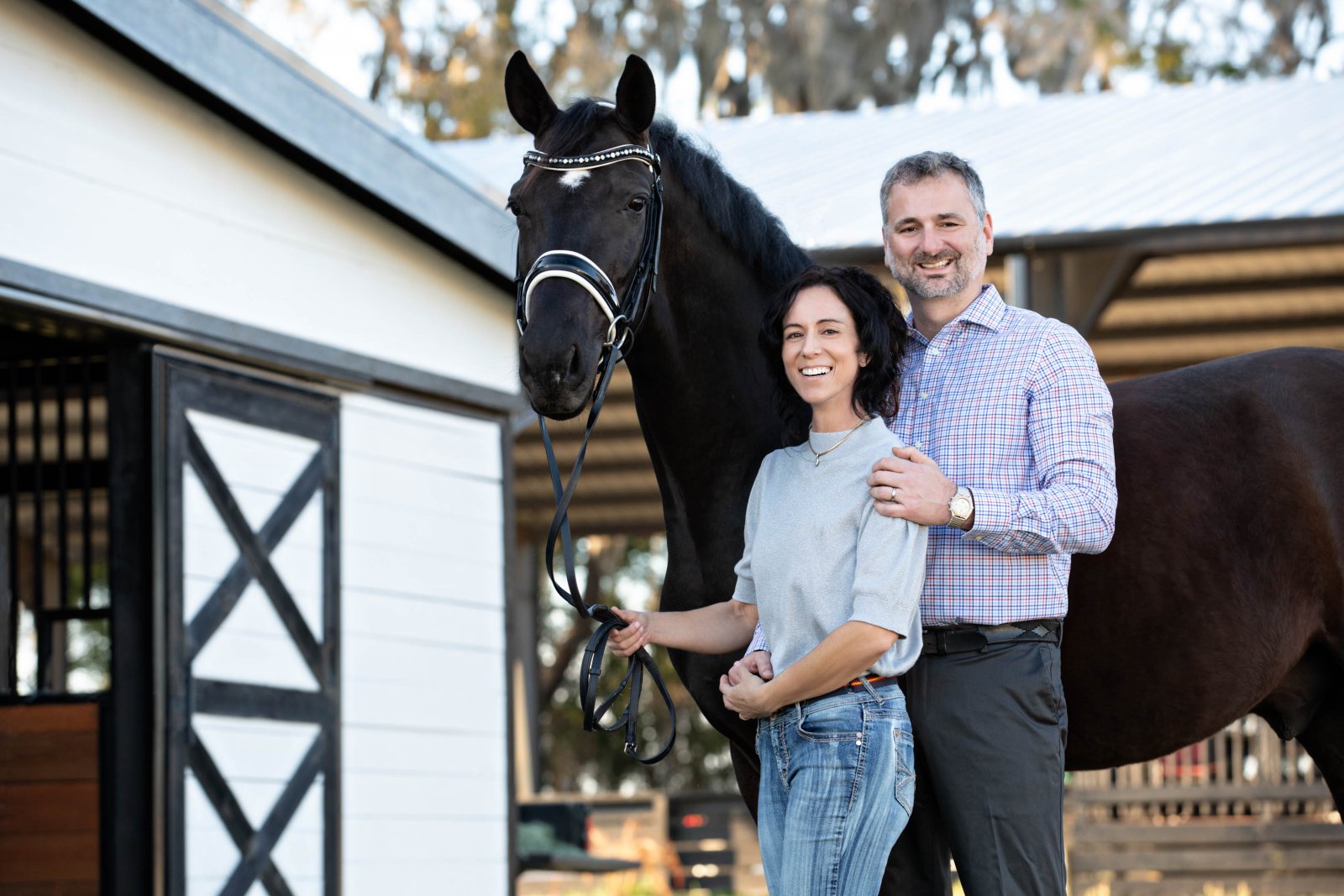
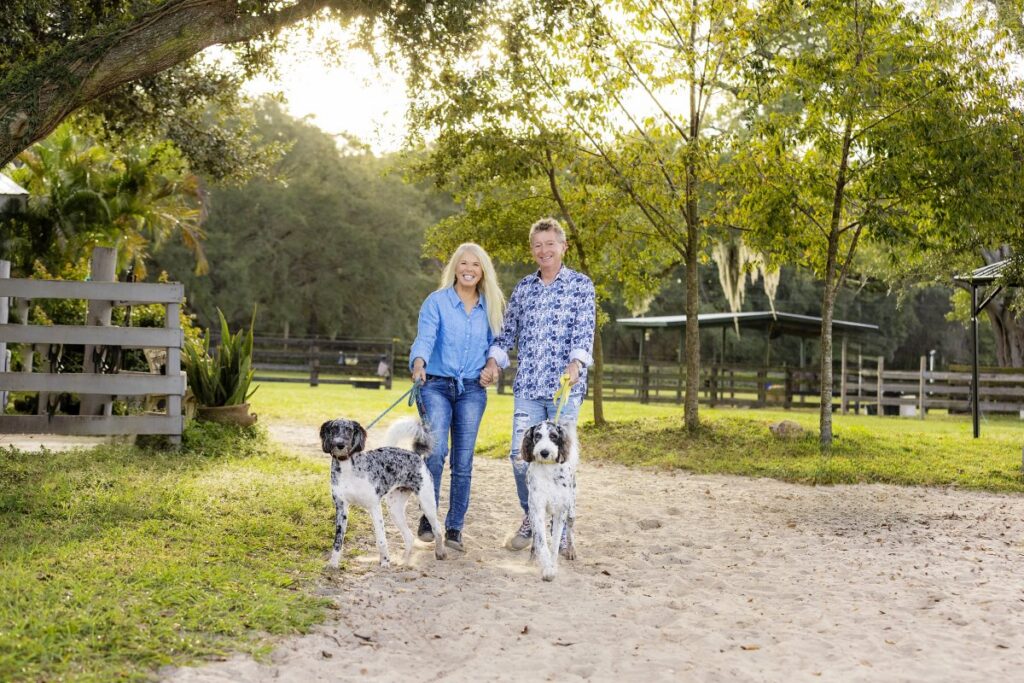
“My team and my very supportive husband, Mike, really help me do it all,” Jennie said. “For example, Aline started riding with me when she was 10, and now she’s turning 21 and taking her pre-med classes to go to vet school. Everyone pitches in—washing horses, cleaning tack, whatever needs to be done. For example, if Aline has an exam tomorrow morning, we’ll have her horse ready for her in the afternoon so she can still show. Not every farm works like that, but I’ve always felt lucky to have people who believe in the process.”
Jennie has always believed in building a career supported by several businesses—teaching, training, and buying and selling horses—rather than relying on a single path.
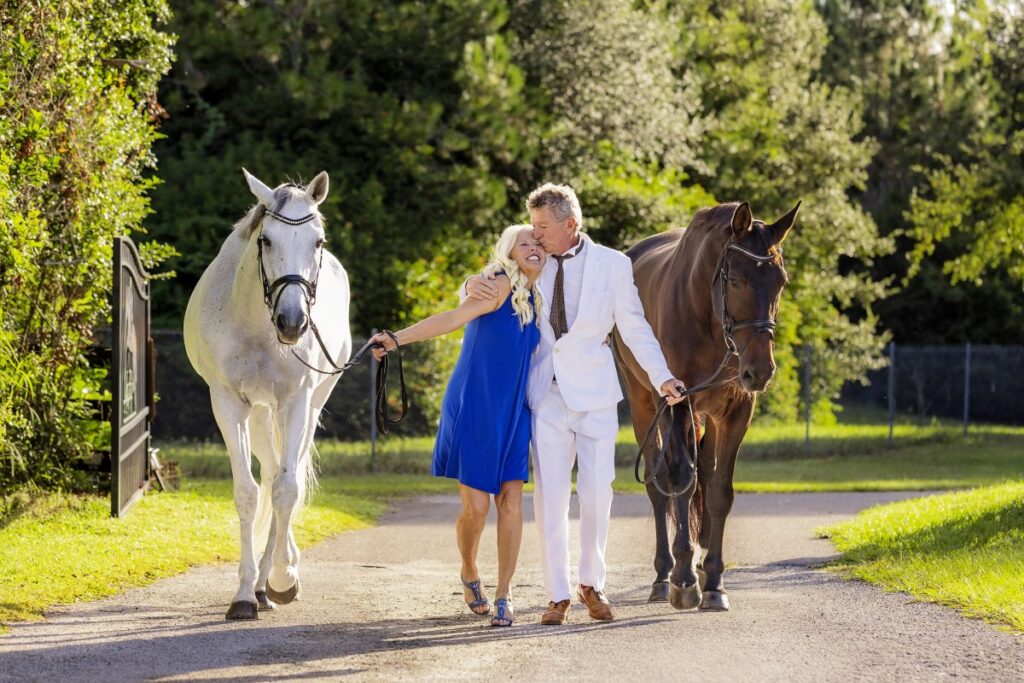
“I didn’t want to put all my eggs in one basket,” Jennie said. “It’s a safety net. If there’s a time when people aren’t taking as many lessons, then I can buy and sell horses. You can also adjust how quickly they need to sell if necessary. I’m still taking riding lessons myself, too. I do cross-country with Phillip Dutton when I can—not that we’re neighbors, exactly, but he’s amazing and always open to helping me. I’ve worked with Susanne Benne on my dressage for over 15 years, and I’ve also had the opportunity to ride with Ian Woodhead a couple of times each year. I do it to ride better and for my horses, but I also really want to be able to give more back to my students.”
Jennie’s path hasn’t always been easy—it’s been built with grit and resourcefulness. “I’m pretty frugal,” she said. “I built all of this with no money at all. When I came to America, I bought my first pony for $250 and sold it for $2,500. That let me buy a new saddle. And from there, I was buying, selling, training or riding with anyone I could, any chance I got—you make yourself available. I learned to build things from the ground up.”
A sign hanging in her barn sums up her horse-first philosophy: It’s a horse’s world—adjust. “When it’s a gallop day, I’ll cancel a lesson if I have to, because they need a ride before it gets too hot. But my students understand that the horses come first.”
In a sport where goals, pressure and expectations can easily eclipse the joy that first brought people to the saddle, Jennie focuses on a philosophy grounded in remembering why we ride in the first place—and honoring the responsibility that comes with partnering with an animal far larger and stronger than ourselves, concluding, “How lucky are we to have these wonderful creatures in our lives?”
Follow Jennie Jarnstrom-Dennis on Facebook or visit classactfarm.com
Photos by Victoria DeMore Photography, victoriademorephoto.com
Sign up for our mailing list to stay up to date with all things Sidelines!