
By Sarah Farrell
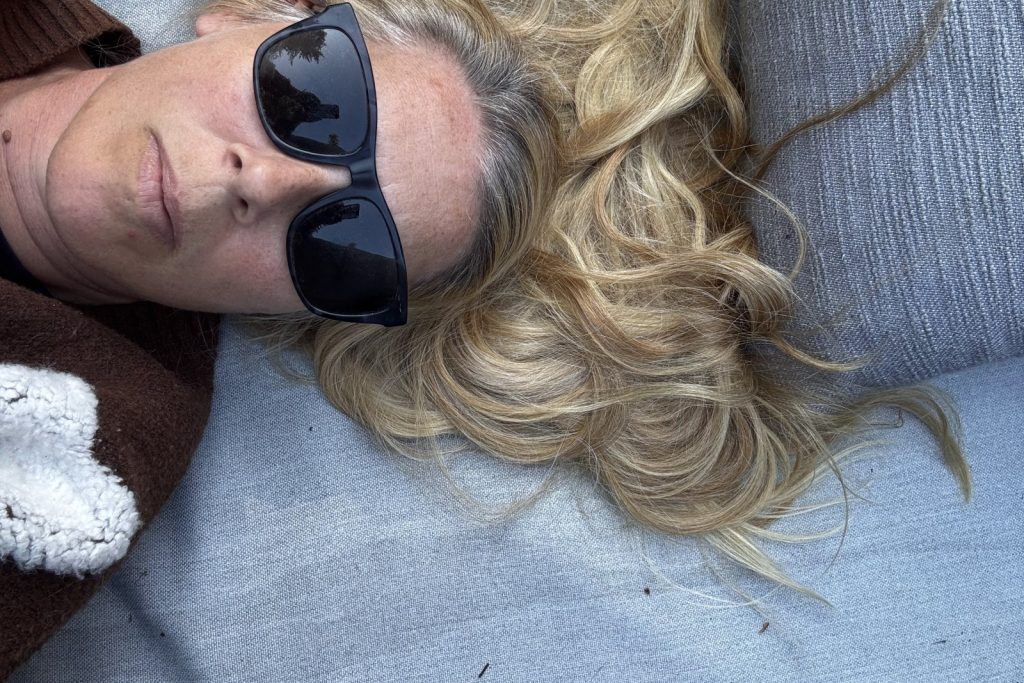
The Monday after the horse show, I woke up at 5 a.m. There was nowhere I needed to be.
My horse was back at home starting her well deserved time off. There was no morning hack, no course to walk, no class time to check. No reason whatsoever to be awake before the sun.
But my body had not received the memo.
I had slept like the dead, but I was still exhausted. I wanted to eat everything, but somehow wasn't hungry. My brain was scanning for all the things I must be forgetting, while also clocking that my body had absolutely no intention of participating in any of them.
I was hungover. Not the fun kind. The horse show kind.
And let me tell you, horse show hangovers are real.
It makes sense that we're tired after a horse show. The days are long. The mornings are early. We ride, walk well over our 10,000 steps, haul things around and spend an unreasonable amount of time standing in direct sunlight.
But this felt like more than just being physically tired.
Admittedly, I’m not recovering like I used to.
Back then, I could stay out all night, get a few hours sleep, rally the next day and do it all over again. But I’ve long accepted that now a few glasses of wine with dinner or staying up too late will wreak havoc on my ability to do pretty much anything the next day.
I guess it’s time to accept I need a little recovery time from a week of horse showing now too.
Because for the better part of a week, almost every hour of my day had a “next:” Wake up at 5. Get to the show. Feed breakfast. Morning hack. Do stalls. Check the schedule. Walk the course. Get myself ready. Get my horse ready. Warm up. Show.
And running right alongside the horse show schedule was the other one: Answer the work email. Call the client back. Figure out who's picking up my son. What time is hockey? Who's making dinner? Is there homework to get done? What does he need for school tomorrow? Lay out the clothes. Confirm the ride. Check the calendar. Catch up in the group chats. OMG why are there so many group chats?!
Neither schedule pauses while you deal with the other one.
For days, my brain had been running a continuous loop: What happens next? What time is it? Where do I need to be? What am I forgetting?
And then I woke up Monday morning and, for the first time in days, there was nothing next.
Everything was done.
Which should have felt glorious.
Instead, I felt like I'd been hit by a truck.
For the next few days, I couldn't seem to get myself moving. I barely worked. I had things I could have been doing, and plenty of things I probably should have been doing, but I couldn't find much motivation to do any of them.
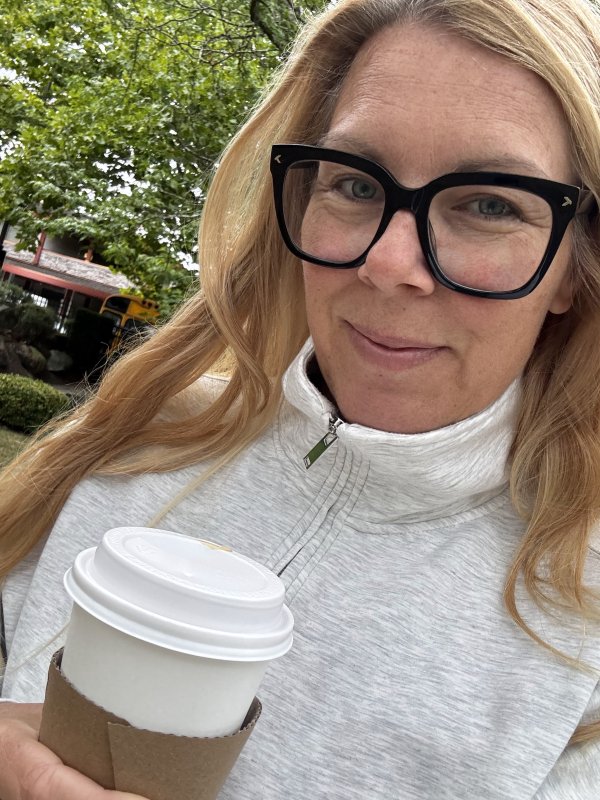
I'm fortunate that I have a job where I have a lot of control over my own schedule. If I needed a quiet Monday, I could take one.
The harder part was actually letting myself.
Doing nothing is surprisingly uncomfortable when you're used to measuring a good day by how much you managed to get done.
Even while my body was very clearly asking me to stop and rest, my brain kept offering helpful suggestions about all the productive things I could be doing with this downtime.
I had to keep reminding myself that I wasn't being lazy. I was tired.
Not just from riding. Not just from the early mornings or the long days.
I was tired from keeping everything moving.
Because for an adult amateur, going to a horse show doesn't necessarily mean stepping away from the rest of your life for a week. Most of the time, it means adding a horse show on top of it.
And we get remarkably good at that.
We plan ahead. We arrange rides. We move meetings. We pack lunches. We answer emails from the sidelines. We wash baseball uniforms at night and prep breakfast for the morning. We figure it out because this is something we love and this is what it takes to make room for it.
What I’m learning to acknowledge is that being able to keep all those balls in the air doesn't mean it doesn't take something out of us.
And that's exactly what the horse show hangover actually is.
It's the come-down after days of your brain and body operating at full capacity, constantly anticipating what needs to happen next.
And when there finally isn't a next, everything seems to shut down at once.
So this time, I let it.
I slept. I ate when I was hungry. I did the minimum. And for a couple of days, I stopped expecting myself to immediately pick everything back up just because the horse show was over.
By Wednesday, I started to feel human again.
Which has led me to perhaps the most practical horse show advice I've acquired all season:
Take Monday off.
We spend so much time planning what it will take to get to the horse show that it's easy to forget to plan for what we'll need when we get home.
I've always thought the valuable vacation day was the Monday before the show: One uninterrupted day to finalize packing, settle the horses in and generally attempt to get my life together before disappearing into the horse show for the week.
I'm reconsidering. Give me the Monday after.
No alarm. No schedule. No expectations of catching up on everything I neglected while I was gone.
Because if there’s one thing I’m insisting on after this season, it’s that recovery is part of the horse show too.
Sign up for our mailing list to stay up to date with all things Sidelines!