
By Annelise Klepper
Portraits by Libby Langley
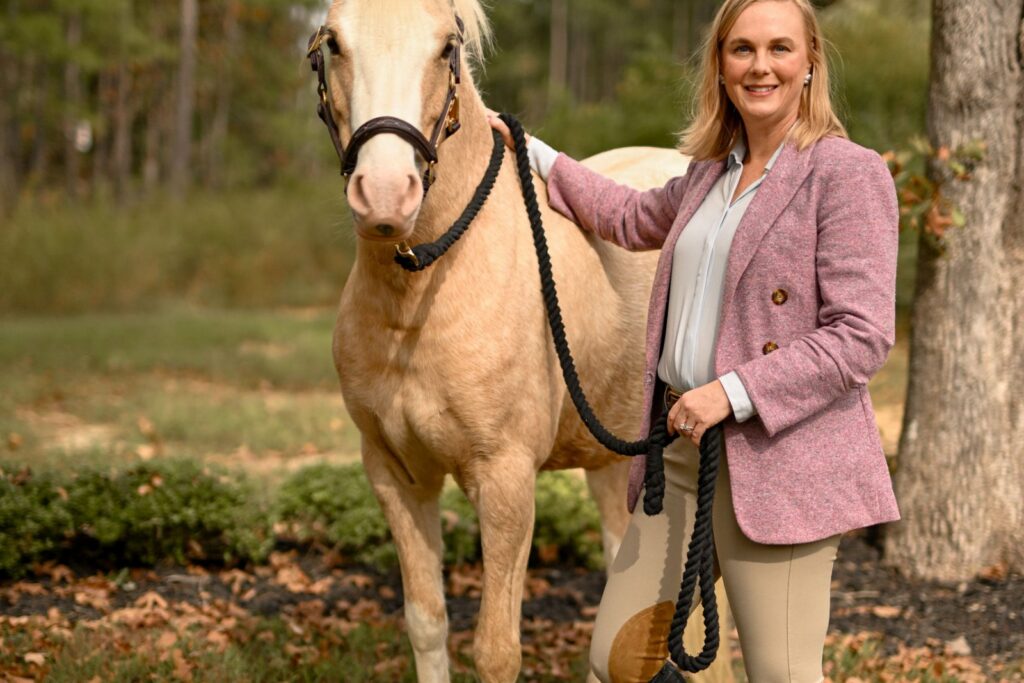
What began as a childhood love of art and horses has developed into a vibrant vocation for Susan DiFelice. She has channeled her passions into helping the next generation attain the tools they need to succeed as blossoming equestrians with her company Allpony.com. Once a personal venture, Allpony quickly caught the attention of the U.S. Pony Club, which took over the platform. It’s now used as a resource for young riders across the country.
Susan’s entrepreneurial journey didn’t end there. She developed The Pony Island, a comprehensive curriculum with an approachable, engaging and easy-to-use format with vibrant illustrations which allow kids to follow different “Pony Paths” based on how they connect with horses. With The Pony Island, horse-crazy children far and wide can receive valuable learning resources, even when they can’t be at the barn.
The Pony Island offers accessibility to an activity that can seem out of reach to many families. “Horses teach patience, empathy, responsibility and resilience,” Susan remarked. “Those lessons extend far beyond riding. My goal with The Pony Island is to help more young people experience those lessons, whether they own a horse, take weekly lessons or simply dream about them.”
Tell us about your background—were you always an equestrian and an artist, or did those two worlds come together later in life?
I have always been both. I started riding as a child, and horses quickly became the center of my world. At the same time, I was constantly drawing them in the margins of school papers, in sketchbooks, anywhere I could. That passion carried into adulthood. I earned a degree in fine art and built a career as a designer, illustrator and web developer, but horses were always the subject that mattered most to me. Over time, those two paths naturally merged. My professional skills allowed me to create the kinds of horse-related learning materials I wished I had when I was young. I began designing educational resources that combine accurate horsemanship information with clear illustrations and activities. I enjoy building things from the ground up. Over time, those creative and business interests came together in the work I do now.

Allpony began very personally. At the time, I couldn’t ride as much as I wanted, but I still wanted my children to grow up understanding and appreciating horses. I realized there were very few online resources that explained horsemanship to kids in a way that was engaging, safe and accurate. My goal was to create a place where horse-loving kids could learn real information about horses, even when they weren’t at the barn. I wanted something that felt fun but also respected the importance of learning good horsemanship. The site was designed for beginners, future riders and children who loved horses but did not yet have direct access to them. Horse kids have a connection to horses that goes beyond playing a sport. Horses capture their imagination in a powerful way, and that connection often becomes part of who they are. What surprised me was how quickly it grew beyond our circle of family and friends. Families, riding instructors and Pony Club members began using it, and the audience expanded organically from there.
What was it like to grow Allpony to the point where the U.S. Pony Club wanted to take it over? How did that decision come about?
It was both exciting and humbling. The U.S. Pony Clubs have been a cornerstone of youth equestrian education for decades, so knowing they saw value in Allpony was incredibly meaningful. The decision ultimately came down to scale and longevity. As a single creator with young children at home, there were limits to how far I could expand something on my own. Under Pony Club, the content could reach far more children and continue evolving within a larger educational framework. I wanted Allpony to have a long life and broad impact, and that path made sense. It was not easy to let go of something so personal, but it felt like the right home for it to grow further and reach a larger audience.
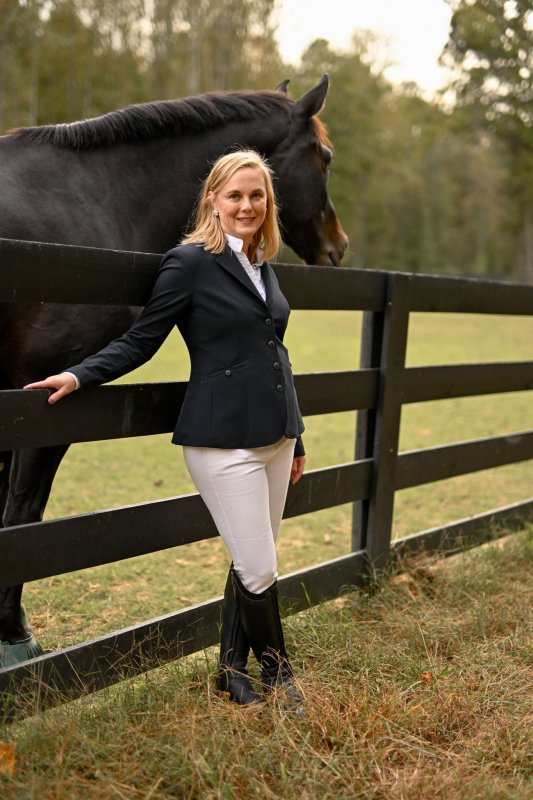
The Pony Island is designed as a larger learning platform rather than a single educational site. It brings together printable learning materials, interactive activities and courses that are being developed to support structured learning about horses. One of the biggest ideas behind the platform is the concept of Pony Paths. Each path represents a different way children connect with horses, such as lesson riders, homeschool students, therapeutic riders, or kids who simply love horses. Each Pony Path is designed to develop into its own curriculum. For example, the Homeschool Pony Path includes materials that connect horses to traditional academic subjects. Writing activities help children describe horses and riding experiences. Horse math lessons explore measuring horses and understanding height and proportions. Science topics include anatomy and body systems. Vocabulary lessons introduce horse terminology. Social studies materials explore horse behavior and the history of horses in human culture. Printable learning materials are a central part of the platform and align with the courses that are being developed. Children can explore topics like horse anatomy, breeds, tack, barn safety and horse behavior through printable activities that connect directly to the learning paths. The goal is to create resources that children can use both on and off the screen and that adults can easily incorporate into lessons or educational programs.
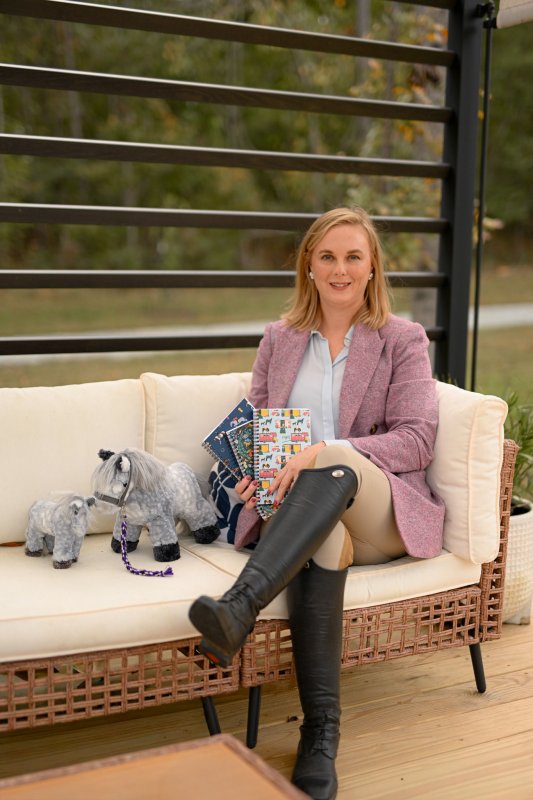
At its core, the audience is any child who loves horses and wants to understand them better, and parents who want quality horse programming for their kids. Some children ride regularly in lesson programs. Others are homeschooled and are looking for engaging subject material. Some participate in therapeutic riding programs. Many children simply love horses but do not yet have regular access to them. The content is designed to be flexible so it can work in all of these settings. Printable materials allow instructors, parents and teachers to bring horse learning into classrooms, barns or home environments. Courses provide a deeper structure that builds knowledge over time. Reaching the adults who support these children is just as important. When parents, instructors and teachers find materials that make learning easier and more engaging, the resources naturally spread within the horse community.
Horses are complex animals, and clear visuals can make anatomy, behavior, tack and safety concepts much easier to understand. My goal is to create artwork that is accurate enough to support real learning while still being inviting and approachable for children. A well-designed diagram or illustration can help a child grasp something quickly that might be difficult to explain with text alone. The illustrations I create also help bring the entire platform together visually and allow the educational materials, printables and courses to feel cohesive and engaging.
One of the most rewarding things is hearing from families and instructors that a child gained confidence, learned how to stay safe around horses or felt more connected to the horse world. Horses can have a powerful impact on young people, but access is not always easy. If these materials help children understand horses better and feel more prepared when they do have the chance to interact with them, that feels meaningful. Horse-loving children bring incredible enthusiasm. Giving them constructive ways to channel that passion can shape their learning and their confidence.
follow on Instagram @susandifelicedesign or Facebook, @theponyisland on Instagram, or visit susandifelice.com and theponyisland.com
Photos by Grit and Grace Photography NC, gritandgracephotographync.mypixieset.com
Sign up for our mailing list to stay up to date with all things Sidelines!