
By Sarah Farrell
There’s a very specific feeling that comes with returning to horses as an adult.
You remember enough to think you should know what you’re doing, but then realize pretty quickly that you’re not picking up where you left off. At least, that was my experience.
Grooming was my favorite job I’ve ever had. We worked six and a half days a week, we organized tasks with military precision to avoid getting up in the 3:00’s and still have all our horses fed, lunged, hacked, bathed and back in their clean stalls before the day started at 7am when the clients arrived.
We bartered night checks and handwalks like they were chips on a Vegas poker table. Some weeks you were up and enjoyed a few nights in a row of TV on a couch. Other weeks you considered sleeping in the feed stall because night check and the time you had to be back there in the morning felt too close together, staying just made sense.
It was my first job out of college; I ran back to horses before the ink was dry on my degree which made my father regret those riding lessons he agreed to when I was 8. But a few years in, when he came to visit me in Wellington Florida, he met a young woman who had finally developed a work ethic, discipline and a sense of responsibility. To this day, it’s one of the only times I’ve heard him admit he was wrong about something.
A few years after that, I felt it was time to move on. My body and mind were tired, and the pressure to follow a more traditional path won me over. Little did I know then that the foundations grooming instilled in me, the hard work, time management, accountability and the ability to just get *things* done, would be what set me apart in a corporate 9-5.
But, once a horse girl always a horse girl.
Fast forward a decade (and then some) and a few interesting opportunities that I said yes to, and I found myself teaching lessons at the riding school in a show barn in an effort to return to my happy place amidst a global pandemic.
One thing led to another and for the first time in my adult life, I became a horse owner.
It was all a bit of a blur really, and it wasn’t until I was deep into a pretty significant financial and lifestyle commitment that I realized…I hadn’t really thought this through.
I admit, I moved quickly into buying a horse without considering some pretty important details. I was a working professional with a demanding job, a mom to a busy kid, and a partner to someone who liked having me around…
As the domestic dust settled, I fully launched into my horse girl comeback era. And I remember asking someone one day, “If, with all my experience, I’m having a hard time making my way through this… how do people who have never done it before do this?”
How do people who have never navigated the expectations, financial commitment, lifestyle, culture and expensive missteps in the world of performance horses…do it?
Part of why I moved so fast into horse ownership is my own saddle baggage of the past; I grew up in the 90’s horse culture where the saying “if you have to ask, you can’t afford it” was the era’s tagline. Talking about money was taboo and asking questions about how it all worked meant identifying yourself as an outsider.
Back then, the expectation was that you just… rolled with it.
And embarrassingly, all these years later, I think that’s exactly what I did.
I rolled with it.
I rolled through the conversations about training expectations and lesson commitments, I rolled with it through a pre-purchase exam that identified concerns with her right eye. I rolled with it through the first year startup costs that began to prove the purchase price of the horse would be the cheapest part of owning them.
That’s not even the worst part.
Because of all my experience, growing up with horses, grooming professionally, teaching and taking riders to their first horse shows, I was so embarrassed to ask questions. People assumed I already knew all the answers.
And asking questions felt like outing myself as someone who didn’t.
When I returned to the horse show, I was so excited. Back to where I was happiest.
Except a lot of time had passed since I last packed a tack trunk. And despite horse show grooming being my love language, I was stuck. Out of touch. Lost in the barn aisle in a borrowed show coat and second-hand breeches.
I had a full-service groom for that first show back and while at first I thought it was overkill, I’m so glad I did. Just getting myself dressed, to the right ring on time and calming my nerves enough that I’d have a chance at remembering all eight fences in my hunter course was all my adult amateur brain could handle in that moment.
I relearned about horse show schedules and new terms like Pro Days.
I found my rhythm in morning hacks and remembered what days felt like when they started before sunrise.
I learned what hoof pack is and only embarrassed myself once putting it in feet that have pads (OK, twice).
I learned shop towel is the new paper bag when poulticing. And I learned how hunter derbies were scored, and then became obsessed with them.
It didn’t take long to get back up to speed, but I have my previous experience to thank for that.
I watched the same scenario play out a few times: Young adults coming to the shows naively unprepared and the adult amateurs showing for the first time learning as they went.
Show after show learning the hard way. In real-time. Under the pressure of also trying to show up as a competitor and bring their best into the ring.
The most frustrating part of it all was realizing… no one is really teaching people anymore.
There’s full-service grooming for those that can afford it or even have it as an option. Or there’s that one experienced person at the barn who’s there to help but mostly just ends up doing it for you because you’re supposed to be at the ring, like, now.
And there is still the expectation that because we’re grown-ups, we’re just supposed to know things.
There was something else that was very different for me when I returned to the horse show as an adult.
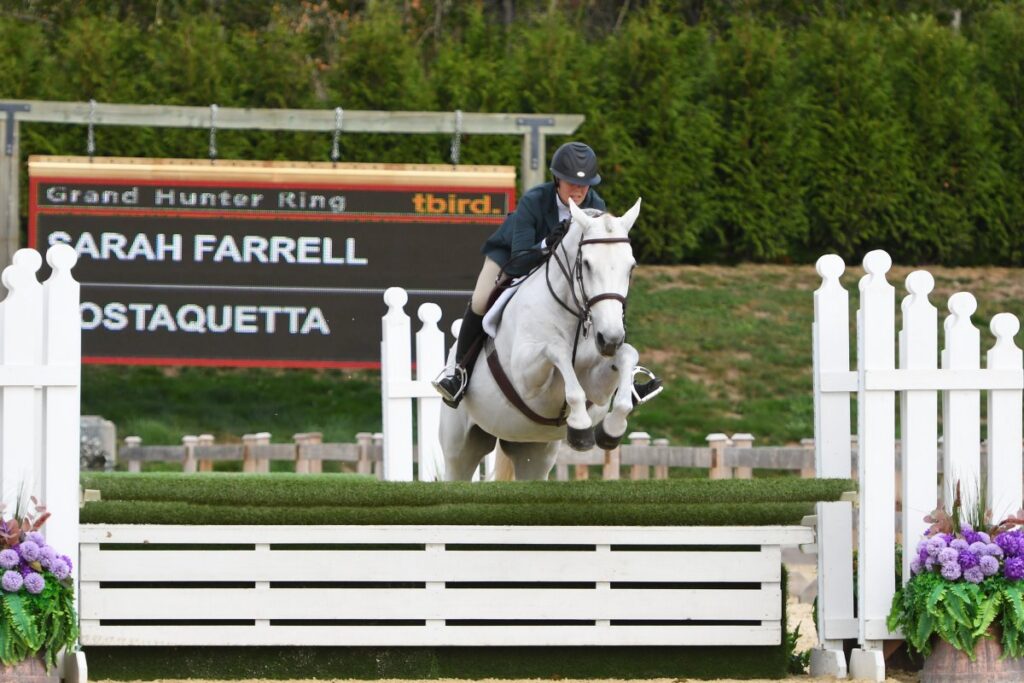
This time, I wasn’t there for the points or titles. I was there to enjoy it, to be with barn friends and to challenge myself to rise to the occasion of a little competition. And of course, for the photos too.
Now, this experience is a privilege, something I work really hard for, and don’t take for granted. And for most people, I think it’s the same.
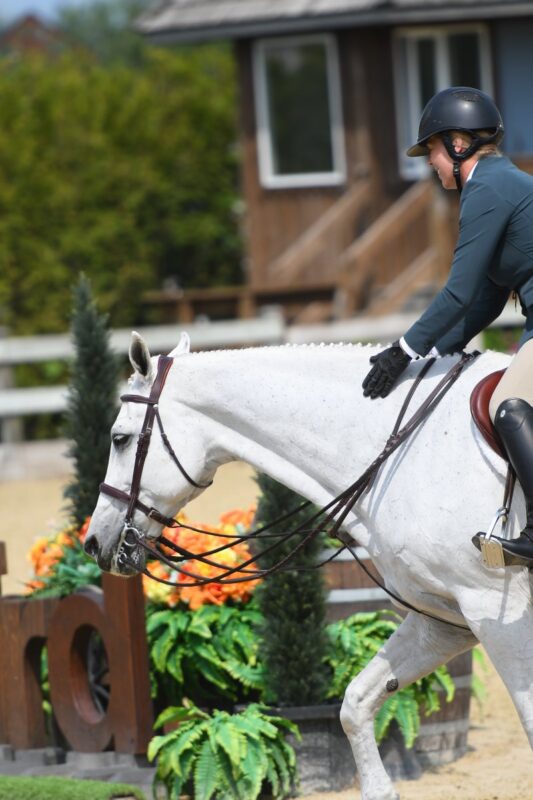
But when everything outside the collective six minutes a day we’re in the ring is stressful, overwhelming, exhausting, frustrating and a series of “why didn’t anyone just tell me that” moments… that whole experience is taken away from you.
That’s the part no one really talks about.
Not the riding, but everything around it that either supports the experience, or slowly takes the joy out of it.
And I don’t think people are intentionally gatekeeping it, but there’s definitely a gap between what’s expected of you and what anyone actually explains.
That’s really where this came from.
The Amateur’s Guide is just my way of trying to close that gap a little bit.
Because it’s not just about the classes you enter or learning how a horse show works. It’s all the things that no one really explains.
The small, practical stuff. The expectations. The timing. The decisions you’re making in real time that no one ever actually taught you how to make.
It’s a place where you can ask the questions you feel like you should already know the answers to… without feeling like you’re the only one who doesn’t know.
Because the horse world can still be a tough place to learn in, but not everything has to be learned the hard way.
It’s also about figuring out how this fits into your life now. Balancing it with a career and a family, managing the financial side of it, and walking back into a space that used to feel like second nature… and realizing it doesn’t quite feel that way anymore.
It’s the practical side, but it’s also the emotional side of trying to find your footing again.
That’s the part I want to get into.
I share most of this in real time over on Instagram @annietheoneeyedhunter, and on Facebook at The Amateur’s Guide, if you want to follow along, and I’m looking forward to getting into more of it here with you, at Sidelines Magazine.
Sign up for our mailing list to stay up to date with all things Sidelines!